
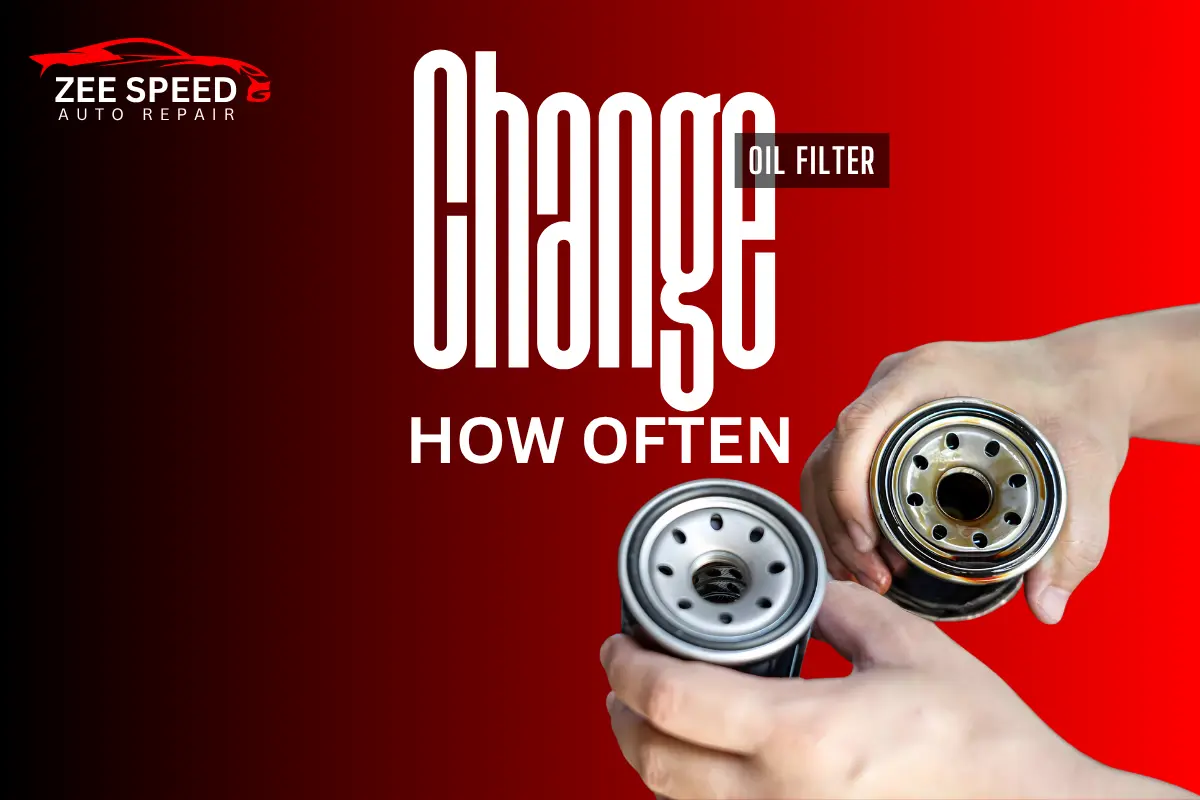
Maintaining your vehicle begins by knowing one of the most important things to do to maintain your car, and that is the changing your oil filter on time. Even though drivers usually take note of oil changes, the filter is equally important since it prevents the circulation of contaminants within the engine. When the filter is clogged or worn out, even fresh oil cannot work effectively, which, in turn, contributes to poor engine performance and permanent damage.
Then, how often should you change your oil filter? The safest and most recommended by mechanics, service centers, and manufacturers of vehicles is to replace the oil filter every time you change your oil. Nonetheless, the type of vehicle, the kind of oil you are driving, and your driving behavior may influence the number of times you are supposed to follow this schedule.
This step-by-step manual tells you why the oil filter is important, the lifespan of the filter, the factors that influence the frequency, the signs of a defective filter and how to schedule the correct maintenance schedule of your motor vehicle.
Table of Contents
Why the Oil Filter Plays a Critical Role
The oil filter keeps your engine safe by catching dirt, sludge, carbon particles, and minute metal shavings naturally present over time. Oil circulates fast as the engine may run to lubricate moving parts. In the absence of a clean filter, the oil, which has been contaminated, gets back into the engine, generating friction, heat, and excessive wear.
When a filter requires replacement, it may limit the flow of oil which makes the engine work harder. It leads to low fuel economy, decelerated speed, overheating, and internal disruption. Due to these dangers, it is equally important to maintain the filter fresh as much as having quality oil.
How Often Should I Change My Oil Filter?
The Safest General Rule
The easiest and most reliable rule is to change your oil filter every time you change your oil. This keeps the lubrication system clean and keeps your new oil working the full period.
Typical Mileage Intervals
There are varying kinds of oil that have varying lifespan. Traditional oil tends to degrade quicker, whereas synthetic oils are more resistant to temperature and contain fewer impurities. Oil and oil filter intervals can be different, with or without oil, as in:
3,000–5,000 miles
Such a range is typical of older cars or those that use regular oil. Such engines produce more contaminants on average and therefore the filter needs to be replaced at a higher rate.
5,000–7,500 miles
The majority of the modern engines which make use of synthetic blend or complete synthetic oil belong to this category. These oils are more durable and cover more miles before they get dirty and the filter is needed, which is a bit more common with traditional installations.
10,000–15,000 miles
A few vehicles with high performance synthetic oil and a high-quality, extended life oil filter can safely travel this distance. This is most commonly prescribed only to newer vehicles, highway driving, and those that use the highest quality of synthetic oils.
In case of doubt, the rule of change both together is always the safest option.
Key Factors That Affect Your Oil Filter Change Interval
Oil Type and Quality
The kind of engine oil you apply will make the difference in the duration of your filter. Traditional oil would be more likely to deteriorate and create more accumulation, resulting in an earlier clogged filter. Full synthetic oil is less impure and can withstand high heat and flow in extreme temperatures to ensure that both the oil and the filter last longer. Extended-life oils tend to perform better with synthetic-media filters that are engineered to operate over a longer period.
Your Driving Conditions
Not every vehicle is driven under normal conditions. The category of severe driving is a category of drivers who unknowingly become part of the group of drivers who have a shorter oil and filter interval. Regular short journeys never enable the engine to heat up completely, resulting in moisture and fuel residues mixing with oil. Driving in the city with frequent stops and starts, pulling heavy items, dusty conditions, and extended idling time are also stressful to the lubrication system. In case you regularly experience any of the above conditions, it is prudent to replace your oil filter earlier than the approximate mileage range.
Vehicle Age and Engine Wear
Older engines inherently emit more contaminants because the internal components will have more friction and wear. These particles are deposited on the oil, rendering the filter more difficult. In the case of older vehicles, it is generally better to paint shorter intervals to ensure a smooth running performance.
Filter Brand and Construction
There is a great variation in the quality of oil filters. Other inexpensive filters incorporate thinner paper filters which get clogged easily and are no longer effective in the long run. Quality filters employ synthetic or composite media with higher dirt-holding capacity, i.e. are better at a longer period. The right filter should always be selected based on your type of oil and time interval you would like to maintain.
How to Know Your Oil Filter Needs Replacing
Warning Signs of a Failing Oil Filter
There are various symptoms of a clogged oil filter and early identification can eliminate severe damages. The oil pressure warning light is one of the earliest signs, and it shows that the flow of oil is limited. You will also find that your oil turns dark or dirty shortly after a change indicating that it is not being filtered properly.
The engine can become slower or less responsive, and you can hear strange ticking sounds due to a lack of lubrication. Some other instances include the burning of smell or the increased engine temperatures. Lower fuel efficiency is the other indication that the engine is overworking itself. In case any of these symptoms occur, the immediate next best thing is to replace the filter and oil.
Building the Right Oil and Filter Maintenance Schedule
Conservative Maintenance Plan
The Conservative Maintenance Plan is used when the maintenance is considered to be of a low level. Conservative schedule is a schedule that is best suited to those drivers that desire maximum protection or whose schedule is unpredictable, dusty, or under heavy traffic. You put oil and filter after every 5,000 miles in this plan, no matter what oil type you use. It is easy, secure, and fits on virtually any car.
Manufacturer-Recommended Plan
The modern automobile offers a factory-rated time frame in the user manual, usually 5,000-7,000 miles, with or without synthetic oil usage. It is a moderate choice, which combines performance, engine protection, and cost-effectiveness. A large number of new cars now have oil-life monitoring controls in them that can guide you on when you need to change.
Extended-Interval Plan
Other drivers are satisfied with fewer services and choose 10,000-15,000 mile intervals. This plan can only be effective in certain circumstances: with a full synthetic, extended-performance engine oil and a high-quality synthetic-media filter. Highway travel, steady speeds and little idling are also contributing points. Before switching to this schedule, always ensure that your manufacturer supports extended intervals.
Choosing the Right Oil Filter for Better Performance
Choosing the correct oil filter can significantly influence the health of your engine. There are various types of filters such as the standard cellulose paper filters, synthetic-media filters and high-performance filters which are used in intensive engines. Synthetic filters have the most efficient protection as they filter smaller particles and can hold more debris without blocking oil flow. Filter It does not matter, but when selecting the filter, you need to have reputable brands that have good efficiency ratings and can be used with synthetic oil.
DIY Oil Filter Replacement vs. Professional Service
Changing the Filter Yourself
Home-based oil and filter replacement provide you with the opportunity to control entirely the products you are working with. You have options of good oils, good filters, and can make sure that all this is done with care. Nevertheless, you should have the appropriate equipment, appropriate knowledge and safe means of dissecting the used oil.
Using a Professional Mechanic or Service Center
Professional service is convenient and it has the benefit of allowing the disposal of old oil and filters in the proper way. Mechanics also have a chance to check other parts such as belts, gaskets, and fluid levels during your visit. In more recent vehicles or narrow engine designs, professional service is frequently the less hassle option.
Understanding the Cost of an Oil Filter Change
Oil filters are cheap relative to the security that they offer. Standard filters prices are between 8 and 20 dollars; synthetic-media or superior filters are slightly above. An oil filter and full oil change typically cost between 35 and more than 100 dollars depending on the type of oil. Although the extra price is minimal, changing the filter every oil change is one of the most economical maintenance tips that you should implement.
Conclusion
The question of how often should I change my oil filter is dependent on your car, the type of oil and your driving conditions, the safest and most professional advice is just simple: replace your oil filter every time you change your oil. This would not only save your engine but it would also keep your oil cleaner longer and make your vehicle run smoothly in years to come. Whether it is a 5,000-mile or 7,500-mile or longer regular maintenance schedule, you should always be using a high quality oil filter and you should adhere to the maintenance routine.
FAQs About How Often Should I Change My Oil Filter?
Should I change my oil filter every oil change?
Yes. This practice is the most commonly suggested since it avoids the circulation of contaminants back to the engine.
How many miles should I go between oil filter changes?
The majority of vehicles need to be changed after every 3,0007,500 miles, though some synthetic systems permit 10000-15000 miles.
Can I change my oil without changing the filter?
It is not recommended, but possible. Fresh oil is immediately contaminated by old filters, decreasing its life span.
Does synthetic oil require a special filter?
Synthetic oil is best used together with high quality synthetic-media filter that has longer intervals and better filtration.
What reduces the lifespan of an oil filter?
Stop and go driving, short travel, towing, dusty living, and low quality oil all lead to a faster blockage of filters.